
How to Improve Your Business Credit Score Before Applying for Funding
Practical steps to boost credibility with lenders — and how Funding Connection strengthens your funding readiness.
When applying for funding through institutions such as the Industrial Development Corporation (IDC), National Empowerment Fund (NEF), Small Enterprise Development and Finance Agency (SEDFA), or the Land and Agricultural Development Bank of South Africa (Land Bank), your business credit profile plays a critical role in the outcome of your application.
Development finance institutions (DFIs) and commercial lenders assess more than just your idea — they evaluate your risk profile, repayment behaviour, governance standards, and financial discipline. A weak business credit score can delay approvals, reduce funding amounts, or result in outright rejection.
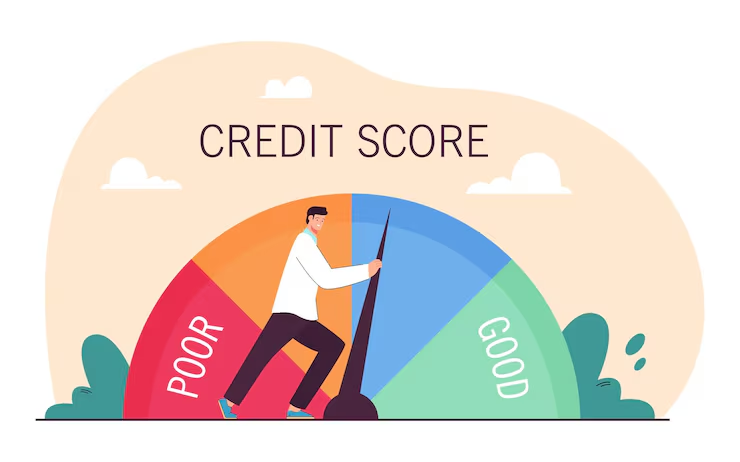
The good news? Your business credit profile is manageable.
Below are practical, actionable steps to strengthen your credibility before submitting a funding application — and how Funding Connection supports you in becoming funding-ready.
1️⃣ Separate Personal and Business Finances
One of the most common red flags lenders encounter is blurred financial lines between the entrepreneur and the business.
Action steps:
Open a dedicated business bank account.
Ensure all business income and expenses flow through that account.
Avoid using personal accounts for supplier payments or client receipts.
Register your business properly with the CIPC and ensure compliance documentation is current.
Why it matters:
Lenders assess transactional history. A clean, traceable financial record demonstrates operational maturity and governance discipline.
2️⃣ Pay Creditors and SARS on Time
Your payment behaviour directly impacts your creditworthiness.
Focus on:
Settling supplier accounts within agreed terms.
Paying instalments on asset finance or loans on time.
Keeping SARS obligations (VAT, PAYE, Income Tax) up to date.
Avoiding judgments, defaults or collection listings.
DFIs conduct credit checks and compliance verification. Outstanding tax returns or arrears can immediately halt an application.
3️⃣ Monitor Your Business Credit Profile
Many entrepreneurs do not review their business credit reports until they are declined.
Practical step:
Obtain your company credit report from a recognised bureau and check for:
Incorrect listings
Settled accounts still reflecting as unpaid
Judgments or adverse entries
Rectifying errors early prevents unnecessary funding delays.
4️⃣ Improve Financial Ratios Before Applying
Beyond credit scores, lenders assess financial health using key ratios:
Debt-to-Equity Ratio
Liquidity Ratio (Current Ratio)
Profitability Margins
Cash Flow Coverage
If your business shows:
Excessive short-term debt
Poor cash flow management
Thin profit margins
It may be wise to restructure internally before applying.
Practical strategies include:
Reducing short-term liabilities
Improving debtor collection cycles
Strengthening retained earnings
Injecting owner equity where possible
Funding institutions prefer businesses that demonstrate internal financial stability before external borrowing.
5️⃣ Build a Strong Financial Record
Most DFIs prefer at least:
6–12 months of trading history (for early-stage funding)
2–3 years of financial statements (for larger facilities)
Ensure:
Your financial statements are professionally prepared.
Management accounts are updated and reconciled.
Cash flow projections are realistic and defensible.
A credible financial record signals operational discipline and reduces perceived lender risk.
6️⃣ Strengthen Governance and Compliance
Credibility extends beyond numbers.
Before applying, ensure:
All CIPC filings are current.
Tax clearance certificates are valid.
Shareholding structures are transparent.
BBBEE documentation is updated (where applicable).
Directors have clean personal credit profiles (especially where sureties are required).
Institutions such as the IDC, NEF and SEDFA assess governance robustness as part of their due diligence process.
Why Entrepreneurs Struggle — and Where Funding Connection Adds Value
Many funding applications fail not because the business idea is weak — but because the enterprise is not funding-ready.
At Funding Connection, we help entrepreneurs improve credibility before submission by offering:
✔ Funding Readiness Assessments
We evaluate your financial position, documentation and risk profile before you approach institutions like IDC, NEF, SEDFA or Land Bank.
✔ Business Plan Development
A structured, bankable business plan aligned to DFI criteria significantly strengthens approval prospects.
✔ Financial Forecasting & Modelling
We develop realistic 5–10 year financial projections, including:
Cash flow forecasts
Loan amortisation schedules
Break-even analysis
Sensitivity testing
These demonstrate repayment capacity — a critical factor in credit evaluation.
✔ Application Structuring Support
Each funder has specific requirements. We align your documentation to match institutional expectations, improving compliance and presentation quality.
✔ Strategic Positioning
We help you apply to the right funding institution based on your business stage, sector and financial profile — preventing unnecessary credit enquiries that could weaken your standing.
The Bottom Line
Your business credit profile is more than a number — it is a reflection of your operational maturity, financial discipline and governance strength.
Before approaching funders such as the IDC, NEF, SEDFA or Land Bank:
Clean up compliance issues
Improve financial ratios
Strengthen record keeping
Ensure tax and creditor payments are current
Present defensible projections
Most importantly, don’t navigate this process alone.
Funding Connection exists to bridge the gap between entrepreneurs and institutional capital — ensuring your business is credible, compliant and compelling before you submit an application.
Because funding is not just about access to capital — it’s about being ready to qualify for it.


